
Start 2026 Strong
Why Detoxification Comes Before Weight Loss, Energy, and Longevity
Every January, millions of people resolve to lose weight, feel better, and reclaim their energy. Yet for many, the scale does not move, fatigue lingers, and motivation fades by February.
The problem is not willpower.
The problem is blocked detoxification pathways.
Before the body can release excess weight, restore energy, or renew itself at the cellular level, it must first be able to process and eliminate what is holding it back.
The Problem: A Body Burdened by Toxins Cannot Thrive
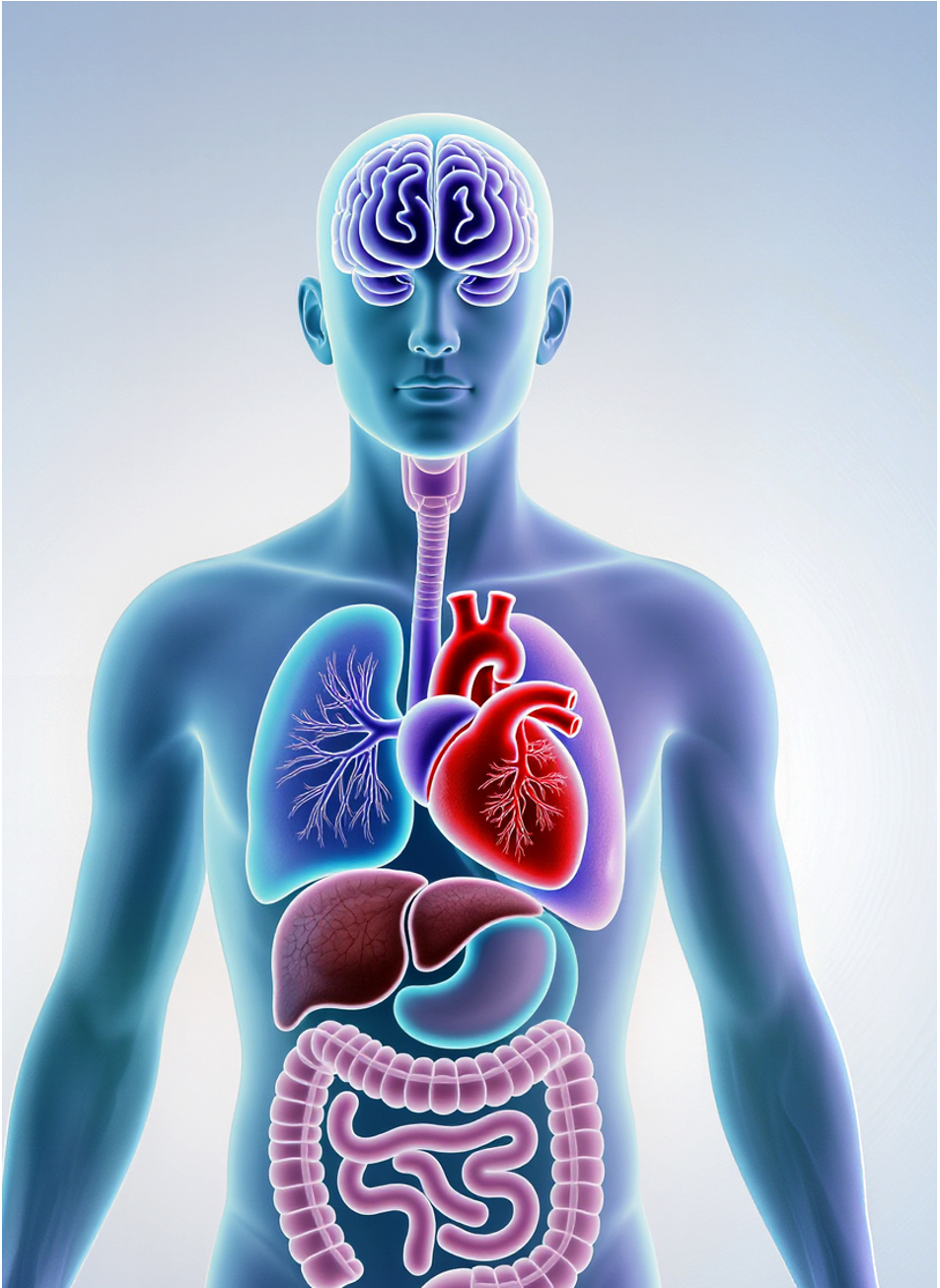
Detoxification is not a trend or a cleanse. It is a continuous biological process that occurs in every cell of the body, every day.
Modern life, however, places an unprecedented load on this system. Research shows that adults are now exposed to thousands of environmental chemicals through food, water, air, medications, and personal care products. Many of these compounds are lipophilic, meaning they are stored in fat tissue rather than easily excreted.2
When detox pathways become sluggish or overwhelmed, the body adapts by holding on, not letting go.
What Happens When Detox Pathways Are Sluggish
- Increased oxidative stress3
- Inflammation that interferes with metabolism4
- Disrupted mitochondrial energy production5
- Impaired insulin signaling6
- Hormonal imbalances that promote fat storage7
In other words, the body shifts into protection mode, prioritizing survival over fat loss, energy, and renewal.
The Master Switch: Why Nrf2 Matters More Than Any Cleanse
At the center of detoxification lies a powerful cellular regulator known as Nrf2. Nrf2 controls the expression of hundreds of genes involved in:
- Liver detoxification
- Antioxidant production
- Cellular repair
- Inflammation control
Scientists widely refer to Nrf2 as the body’s master detox and defense pathway.8 The challenge is that Nrf2 activity declines with age, reducing the body’s ability to neutralize toxins and oxidative stress.9
The Solution: Support the Pathways, Not a Temporary Purge
Extreme cleanses often stress the body further, triggering muscle loss, hormonal disruption, and rebound weight gain.
A smarter approach is to activate and support the body’s built-in detox systems, allowing detoxification to happen naturally and continuously.
Scientific literature shows that specific plant compounds and adaptogens can:
- Activate Nrf2 signaling8-11
- Support glutathione production, the body’s primary detox antioxidant12
- Improve mitochondrial efficiency and energy output13
This is the biological foundation behind eternafy™.
Why Detoxification and Weight Loss Are Inseparable

Weight loss is not simply about calories. It is about metabolic signaling. When toxins accumulate:
- The body resists fat loss to avoid releasing stored toxins into circulation2
- Mitochondria produce less energy, lowering metabolic rate5
- Inflammation interferes with fat oxidation4
Studies have shown strong associations between toxic burden and obesity, even when calorie intake is controlled.6–14
As detox pathways become more efficient, the body regains metabolic flexibility. Fat loss often follows as a byproduct, not a forced outcome.
AMPK: The Metabolic Partner to Detox
Another critical pathway influenced by detox is AMPK, the enzyme that helps regulate energy balance and fat metabolism.14
- AMPK activity declines with age15
- It is suppressed by chronic inflammation and oxidative stress
- It improves when detox and mitochondrial pathways are supported
When AMPK is active, the body shifts toward fat utilization and energy efficiency, creating an internal environment where weight loss becomes more natural and sustainable.16
Liver Health: The Silent Driver of Renewal
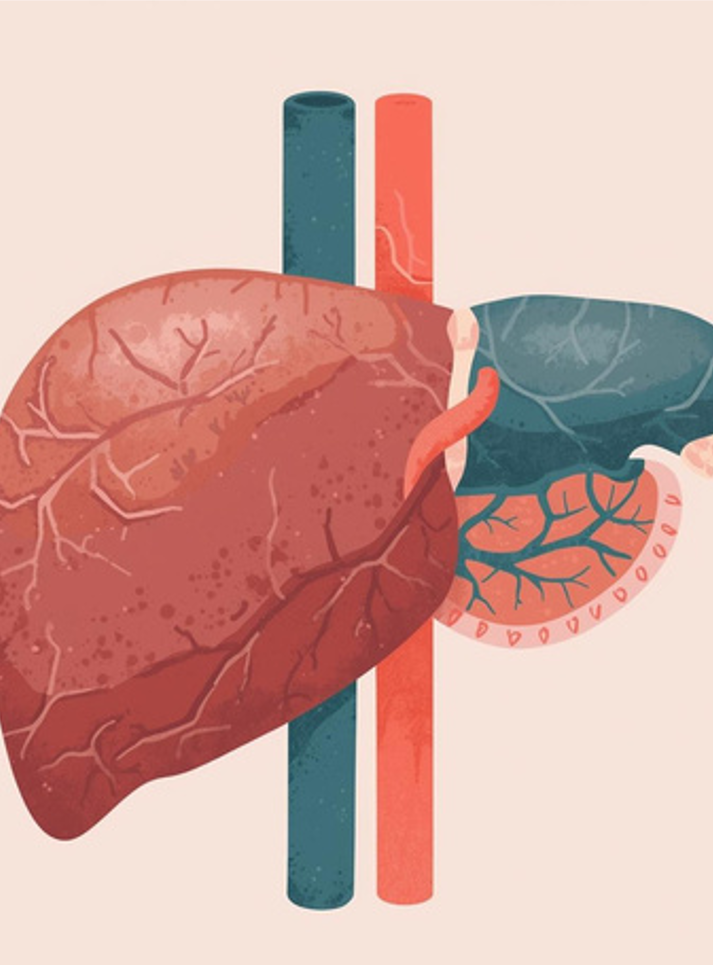
The liver performs over 500 vital functions, including filtering blood, processing hormones, and detoxifying harmful compounds.
Research shows that declining liver detox capacity is associated with:
- Fatigue
- Hormonal imbalance
- Difficulty losing weight
- Increased oxidative stress17
Supporting liver detox enzymes and glutathione levels is essential, especially as glutathione production declines significantly with age.12–18
Why Starting with Detox Changes Everything
Detoxification is not the end goal. It is the starting point.
When detox pathways are supported:
- Energy improves
- Inflammation decreases
- Metabolism becomes more responsive
- Weight loss occurs more naturally
- Cellular renewal accelerates
This is why beginning the year with detoxification sets the stage for everything that follows. Eternafy™ was formulated to support these pathways daily, working with the body rather than against it.
A Smarter Way Forward
If your 2026 goal feels different, do not start by doing more. Start by clearing what no longer serves you.
When detox pathways are supported, the body remembers how to do what it was designed to do.
References
- Landrigan, P. J. et al. “The Lancet Commission on Pollution and Health.” The Lancet (2018).
- Miller, D. et al. “Environmental Toxicants and Obesity.” Endocrine Reviews (2017).
- Harman, D. “The Free Radical Theory of Aging.” Aging Research Reviews (2003).
- Furman, D. et al. “Chronic Inflammation in Aging.” Nature Medicine (2019).
- Wallace, D. C. “Mitochondrial Dysfunction and Disease.” Nature Reviews Genetics (2013).
- Lee, C. H. et al. “Persistent Organic Pollutants and Insulin Resistance.” Diabetes Care (2010).
- Heindel, J. J. “Endocrine Disruptors and Obesity.” Endocrine Reviews (2019).
- Zhang, D. D. “The Nrf2 Signaling Pathway.” Annual Review of Pharmacology (2015).
- Johnson, D. A. “Nrf2 in Metabolic Disorders.” Antioxidants (2020).
- Stunkard, A. J. “Obesity and Environmental Toxicants.” International Journal of Obesity (2016).
- Thompson, A. M. “Chemical Burden and Metabolic Dysfunction.” Toxicological Sciences (2014).
- Paul, E. et al. “Glutathione Metabolism and Aging.” The Journal of Nutrition (2018).
- Day, E. A. et al. “AMPK and Metabolic Health.” Cell Metabolism (2017).
- Hardie, D. G. “AMPK as a Metabolic Master Switch.” Nature Reviews Molecular Cell Biology (2012).
- Salminen, A. et al. “AMPK, Aging, and Longevity.” Cellular Signalling (2016).
- Jeon, S. M. “AMPK Activation and Fat Metabolism.” Nutrition Research and Practice (2016).
- Kim, J. et al. “Oxidative Stress and Liver Detoxification.” Hepatology (2015).
- Thompson, A. M. “Liver Detox Pathways.” Toxicological Sciences (2014).



Post a Comment